
Others Blog
Others Service
Contact Us
Bridal Dress Stitching Guide – Tips Before You Order
A bridal dress is not just another outfit. It is one of the most special dresses a woman will ever wear. Whether you are choosing a traditional lehenga, long maxi, gharara, sharara, pishwas, or a fully customized Pakistani bridal dress, every detail matters.
The fabric, embroidery, fitting, sleeves, neckline, dupatta, lining, and finishing all come together to create the final bridal look. That is why ordering a bridal dress should never be rushed. A little planning before stitching can save you from stress, delays, and fitting problems later.
At Bano Stitching, we understand how emotional and important bridal dress stitching is. This guide will help you know what to prepare before you order your wedding dress.
1. Decide Your Bridal Dress Style First
Before placing your order, be clear about the type of bridal outfit you want. Do you want a traditional red lehenga? A soft pastel pishwas? A heavy embroidered gharara? Or a modern long bridal maxi?
Your dress style will affect everything, including fabric choice, embroidery placement, stitching method, dupatta design, and overall fitting. If you are confused, save a few reference pictures. You do not have to copy one design exactly. You can take neckline inspiration from one outfit, sleeves from another, and embroidery style from a third.
This helps the tailor understand your vision more clearly.
2. Choose Fabric According to the Design
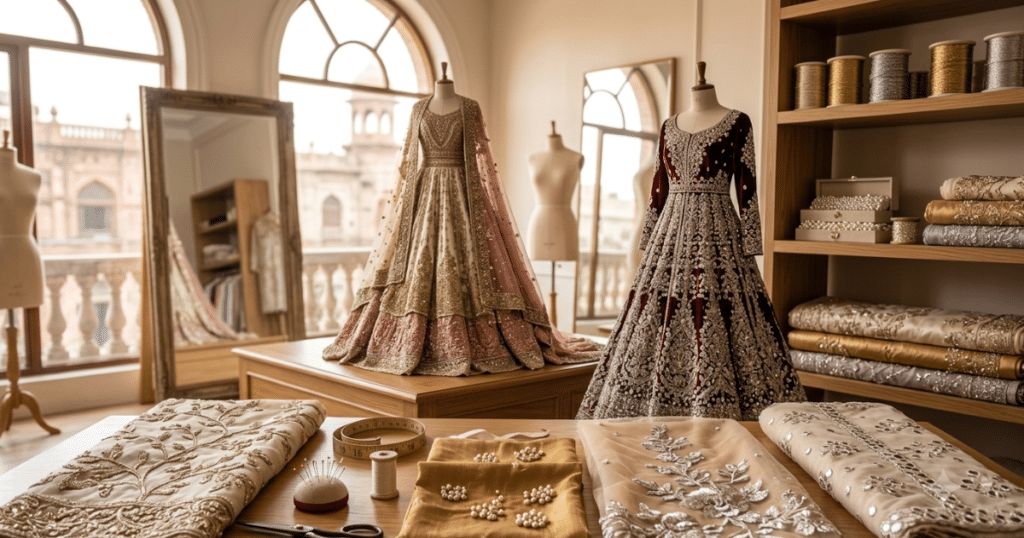
Fabric plays a big role in bridal dress stitching. A heavy lehenga may need fabric with structure, while a flowy pishwas may need softer fabric. Common bridal fabrics include raw silk, organza, net, chiffon, velvet, jamawar, tissue, masoori, and silk.
For winter weddings, velvet and raw silk can look rich and elegant. For summer weddings, organza, net, chiffon, and lighter silk fabrics may feel more comfortable. If your dress has heavy embroidery, the fabric should be strong enough to hold the work properly.
Choosing the wrong fabric can affect the fall, comfort, and final beauty of the dress.
3. Take Accurate Bridal Measurements
Measurements are one of the most important parts of bridal dress stitching. Bridal outfits are usually more detailed than regular Pakistani dresses, so fitting must be handled carefully.
Important measurements may include shoulder, chest, waist, hips, armhole, sleeve length, blouse length, shirt length, lehenga length, trouser length, and overall dress length. If you are ordering a fitted blouse, choli, or gown-style dress, measurements must be even more accurate.
Do not guess your size. Use a soft measuring tape, take measurements calmly, and if possible, ask someone to help you. You can also use a well-fitted dress as a reference.
4. Think About Comfort, Not Just Beauty
Many brides focus only on the look of the dress, but comfort is just as important. You may have to wear your bridal outfit for many hours. If the dress is too tight, too heavy, itchy, or difficult to move in, it can make your wedding day uncomfortable.
Before ordering, think about your event. Will you sit for long hours? Will you walk a lot? Will you need easy movement for photos? Do you prefer a modest neckline? Do you want full sleeves or half sleeves?
A beautiful bridal dress should not only look royal. It should also feel comfortable enough to carry with confidence.
5. Confirm Embroidery and Work Details
Bridal outfits often include embroidery, zari, zardozi, sequins, beads, pearls, dabka, stones, lace, borders, and handwork. These details should be discussed before stitching.
You should confirm where the heavy work will be placed. For example, neckline, sleeves, daman, dupatta border, lehenga border, blouse, back design, or front panel. Also decide whether you want heavy bridal work or a lighter elegant look.
Clear instructions help avoid confusion and make the final outfit closer to your expectation.
6. Do Not Ignore the Dupatta
In Pakistani bridal wear, the dupatta is very important. It completes the bridal look. Some brides prefer one heavy dupatta, while others choose two dupattas — one for the head and one for draping.
Before ordering, decide the dupatta fabric, border style, length, width, finishing, and embroidery. A poorly finished dupatta can make even a beautiful bridal dress look incomplete.
For bridal dupattas, neat finishing around the edges is very important.
7. Plan Your Timeline Early
Bridal dress stitching takes more time than normal stitching. The more detailed the outfit, the more time it may need. Fabric arrangement, embroidery, cutting, stitching, finishing, and final checking all require proper attention.
Do not order your bridal outfit at the last minute. It is always better to start early so there is enough time for careful work and any needed adjustments.
For overseas customers, shipping time should also be considered. If your bridal dress is being delivered to the USA, UK, UAE, Canada, or another country, place your order early to avoid last-minute stress.
8. Share Clear Instructions with the Tailor
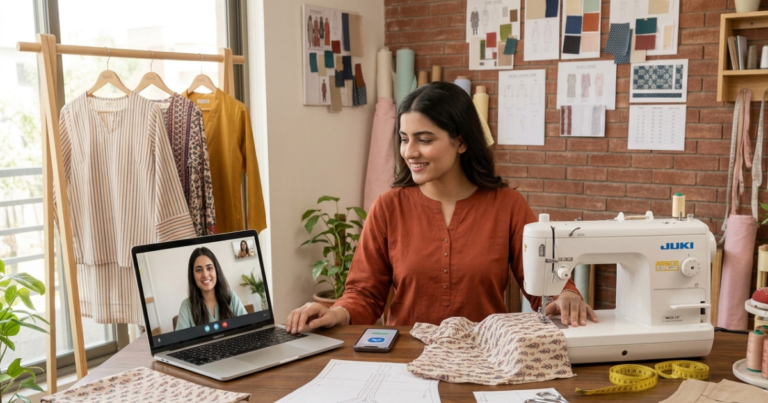
When ordering a custom bridal dress online, communication matters a lot. Share your reference pictures, measurements, fabric details, preferred fitting, event date, and any special instructions.
Mention small details clearly, such as sleeve tightness, neckline depth, blouse length, lehenga flare, can-can requirement, lining preference, and modesty needs. The more clearly you explain your requirements, the better the stitching process becomes.
Bano Stitching helps customers order custom Pakistani bridal dresses with proper guidance, especially for women who cannot visit Lahore in person.
9. Check Finishing Details Before Delivery
Finishing makes a huge difference in bridal wear. A bridal dress should have clean seams, proper lining, neat embroidery handling, secure hooks or zip, smooth borders, and comfortable inner finishing.
If the dress has heavy work, the inside should not feel rough on the skin. If the lehenga is heavy, the waistband should be strong. If the dress has a train or flare, the fall should be balanced.
Good finishing gives the bridal outfit a premium and polished look.
Final Thoughts
A bridal dress is a once-in-a-lifetime outfit, so it deserves careful planning. Before ordering, finalize your style, fabric, measurements, embroidery, dupatta, fitting, and delivery timeline. These small steps can make a big difference in the final result.
Bano Stitching offers custom Pakistani bridal dress stitching from Lahore for customers in Pakistan and abroad. Whether you want a traditional lehenga, elegant pishwas, formal maxi, gharara, or custom bridal outfit, proper stitching can help bring your dream dress to life.
Your bridal dress should feel beautiful, comfortable, and truly made for you.
FAQs
1. What should I know before ordering bridal dress stitching?
Before ordering, you should confirm your design, fabric, measurements, embroidery details, dupatta style, fitting preference, and delivery timeline.
2. Which fabric is best for Pakistani bridal dresses?
Raw silk, organza, net, chiffon, velvet, jamawar, tissue, and silk are commonly used for Pakistani bridal dresses. The best fabric depends on your design and season.
3. Can I order a custom bridal dress online?
Yes, you can order a custom bridal dress online by sharing your design reference, measurements, fabric details, and stitching preferences.
4. How early should I order my bridal dress?
It is better to order your bridal dress as early as possible because bridal stitching, embroidery, finishing, and delivery can take time.
5. Can Bano Stitching deliver bridal dresses worldwide?
Yes, Bano Stitching provides custom Pakistani dress stitching from Lahore with delivery options for customers in countries like the USA, UK, UAE, Canada, and more.