Others Blog
Others Service
Contact Us
Stitching Quality Checklist for Fashion Brands
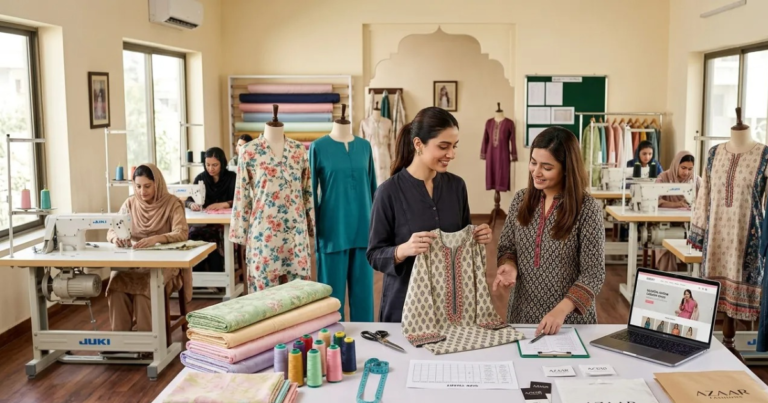
For a fashion brand, stitching quality is not a small detail. It is the difference between a customer who orders again and a customer who never comes back. You may have beautiful fabric, trendy designs, strong photos, and good marketing, but if the stitching is poor, the whole brand image suffers.
Customers notice more than brands think. They check the neckline, sleeves, trouser length, loose threads, fitting, buttons, finishing, and how the outfit looks after wearing it. A dress that looks good in pictures but feels uncomfortable in real life can lead to complaints, returns, and bad reviews.
That is why every fashion brand, boutique, and online clothing seller should use a stitching quality checklist before sending outfits to customers.
Why Stitching Quality Matters for Fashion Brands
Stitching quality directly affects customer trust. When a customer receives a well-stitched outfit, they feel that the brand is professional and reliable. When the outfit has uneven seams, poor fitting, or loose threads, the customer feels disappointed, even if the fabric is nice.
For women’s fashion brands in Pakistan, quality matters even more because customers expect proper fitting and neat finishing. Pakistani outfits often include shirts, trousers, dupattas, sleeves, lace, buttons, embroidery, lining, and different cuts. Every part must be checked carefully.
Good stitching also helps your brand look premium. A simple cotton suit can look boutique-made when the cutting and finishing are clean. On the other hand, expensive fabric can look cheap if the stitching is careless.
Pre-Stitching Quality Checklist
Quality starts before stitching begins. Many production problems happen because the planning stage is weak.
Before stitching, check the fabric properly. Look for stains, color variation, holes, weak areas, shrinkage risk, and fabric direction. Some fabrics shrink after washing, so pre-shrinking may be needed before cutting.
Next, confirm the design details. The tailor or production team should clearly understand shirt length, sleeve style, trouser width, neckline shape, lace placement, lining requirement, button style, and size chart.
Also check measurements before cutting. For fashion brands, size consistency is very important. Small, medium, large, and extra large should follow a clear size chart. If custom orders are being stitched, customer measurements must be written clearly.
Cutting Quality Checklist
Cutting is one of the most important steps in clothing production. If cutting is wrong, even the best stitching cannot fully fix the outfit.
Check that all pieces are cut according to the approved pattern. Shirt panels, sleeves, collars, cuffs, trousers, lining, and dupatta finishing pieces should be measured correctly.
Fabric direction should also be checked. Prints, stripes, embroidery, and borders must be aligned properly. If one side of the shirt looks different from the other side, the outfit will not look professional.
For co-ord sets and printed suits, pattern matching is important. The shirt and trouser should look balanced as one complete outfit.
Stitching Quality Checklist
Once stitching begins, the main focus should be neatness, strength, and consistency.
Check that the seams are straight and even. Side seams should not twist. Shoulder seams should sit properly. Sleeves should be attached smoothly without pulling or puckering.
Thread color should match the fabric unless contrast stitching is part of the design. Stitch length should be consistent. Very loose stitching can open easily, while very tight stitching can damage delicate fabric.
For trousers, check waistband, length, side seams, pocket stitching, and bottom finishing. For shirts, check neckline, armhole, daman, side slits, sleeves, buttons, and front placket.
Fitting Quality Checklist
Fitting is one of the biggest reasons customers complain. A fashion brand should not only check whether the outfit is stitched, but also whether it fits according to the promised size.
Check shoulder width, chest, waist, hip, sleeve length, shirt length, trouser length, and trouser width. The outfit should match the size chart or custom measurement form.
For women’s clothing, comfort is very important. The outfit should not feel too tight from the arms, chest, or hips. At the same time, relaxed fitting should still look shaped and clean.
If possible, test the sample on a mannequin or fitting model before producing more pieces.
Finishing Quality Checklist
Finishing is what makes an outfit look professional. Customers may not know technical stitching terms, but they immediately notice whether a dress looks clean or messy.
Check for loose threads, uneven hemming, rough edges, open seams, extra chalk marks, stains, and poor pressing. Lace, buttons, hooks, zips, tassels, and embroidery patches should be attached securely.
Neckline finishing should be smooth. Sleeve edges should be clean. Daman should fall evenly. Trouser bottom should not look twisted or uneven.
A properly pressed outfit always looks more expensive. Pressing should be done carefully according to fabric type so the dress does not get shine marks or burn marks.
Dupatta and Accessories Checklist
If the outfit includes a dupatta, check its edges, lace, tassels, hemming, and fabric quality. Dupattas often create the first impression because they are visible in product photos and while wearing the outfit.
If the outfit includes buttons, belts, extra fabric pieces, lining, or packaging accessories, make sure everything is included before delivery.
For formal dresses, check embroidery, pearls, sequins, and borders carefully. These details should be secure and balanced.
Final Packaging Checklist
Packaging is part of the customer experience. A neatly packed outfit feels more professional and valuable.
Before packing, make sure the outfit is clean, pressed, folded properly, and checked one final time. Add size labels, brand tags, care instructions, and order details if available.
For online fashion brands, packaging should protect the outfit during delivery. A damaged or poorly packed dress can make the customer feel the brand is careless.
How Bano Stitching Helps Fashion Brands Improve Quality
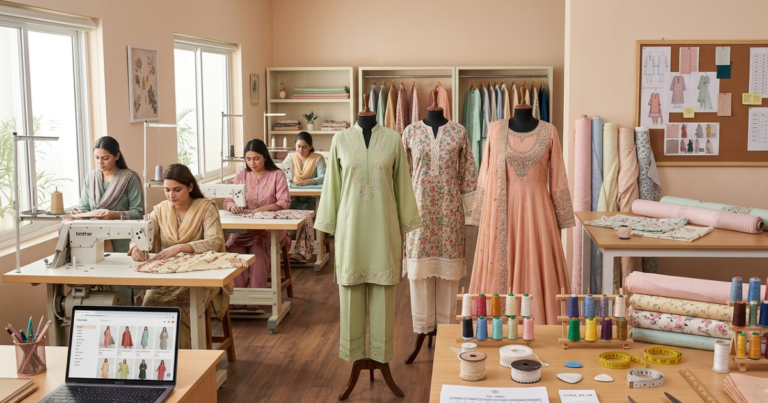
Bano Stitching helps fashion brands, boutiques, and women entrepreneurs improve their stitching process with better planning, quality guidance, boutique setup, and online business support.
From custom stitching guidance to Google Business Profile creation, website development, social media setup, and digital marketing, Bano Stitching helps brands look more professional and trustworthy.
If you are starting a fashion brand, a proper quality checklist can save money, reduce returns, improve reviews, and build customer loyalty.
Quick Stitching Quality Checklist
Use this simple checklist before sending any outfit to a customer:
Fabric checked for stains and defects
Measurements confirmed before cutting
Design details clearly followed
Seams straight and secure
Shoulders and sleeves properly stitched
Neckline clean and balanced
Trouser length and width correct
Lace, buttons, hooks, and zips secure
Loose threads removed
Outfit properly pressed
Dupatta finished neatly
Size label or order details added
Packaging clean and professional
FAQs
Why is stitching quality important for fashion brands?
Stitching quality affects customer trust, reviews, repeat orders, and brand reputation. A well-stitched outfit makes the brand look professional.
What should I check before sending clothes to customers?
Check fitting, seams, neckline, sleeves, trouser length, loose threads, pressing, dupatta finishing, stains, buttons, zips, and packaging.
How can I reduce returns in my clothing business?
Use accurate size charts, stitch samples first, check every outfit before delivery, improve quality control, and communicate clearly with customers.
Should fashion brands use a quality checklist?
Yes, every fashion brand should use a stitching quality checklist to keep production consistent and avoid careless mistakes.
Can Bano Stitching help fashion brands with quality and setup?
Yes, Bano Stitching helps with stitching guidance, boutique setup, website development, Google Business Profile, social media setup, and digital marketing.
Conclusion
A fashion brand becomes stronger when its stitching quality is consistent. Customers may first notice the design, but they remember the fitting, comfort, finishing, and overall experience.
Using a stitching quality checklist helps you avoid mistakes, protect your brand image, and deliver outfits that customers trust.